

Top healthcare jobs in demand worldwide: A Comprehensive Guide
Share this:
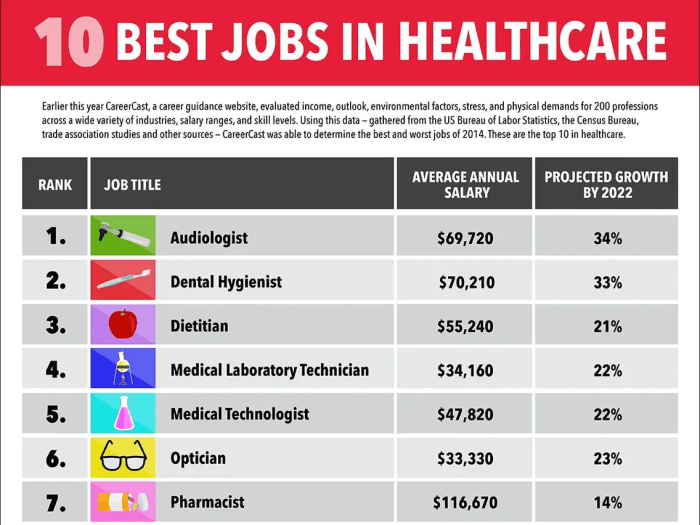
Exploring the top healthcare jobs in demand worldwide opens a window into the dynamic landscape of the healthcare industry. From the bustling demand for nurses to the cutting-edge roles driven by technological advancements, this guide delves into the intricacies of these sought-after professions.
As we navigate through the various healthcare roles and their global impact, a deeper understanding of the reasons behind this demand and the challenges faced by professionals in the field emerges.
Top healthcare jobs in demand worldwide
Healthcare is a rapidly growing field with a constant need for skilled professionals to provide essential services. Here are the top 5 healthcare jobs currently in high demand globally:
Nurse Practitioners
Nurse practitioners play a crucial role in providing primary and specialty healthcare services. The increasing demand for nurse practitioners is driven by factors such as an aging population, healthcare reforms expanding access to care, and a shortage of primary care physicians.
Physician Assistants
Physician assistants work under the supervision of physicians to provide patient care. The demand for physician assistants is rising due to the need for healthcare providers to meet the growing healthcare needs of the population.
Medical and Health Services Managers
Medical and health services managers are responsible for overseeing healthcare facilities and ensuring efficient operations. The demand for these professionals is increasing as healthcare organizations seek skilled managers to navigate complex healthcare systems and improve patient care.
Physical Therapists
Physical therapists help patients recover from injuries and improve mobility. The demand for physical therapists is on the rise due to an aging population, increased awareness of the benefits of physical therapy, and advancements in medical technology.
Registered Nurses
Registered nurses are essential members of the healthcare team, providing direct patient care and support. The demand for registered nurses remains high worldwide, driven by factors such as an aging population, chronic disease management, and the need for skilled nursing professionals in various healthcare settings.
Nursing as a top healthcare job
Nursing is a highly sought-after profession in the healthcare industry worldwide due to its critical role in patient care and the growing demand for healthcare services. Nurses play a crucial role in promoting and maintaining the health and well-being of individuals across all age groups.
Different Specializations within Nursing
Nursing offers a wide range of specializations that cater to various healthcare needs. Some of the most sought-after nursing specializations include:
- 1. Registered Nurse (RN): RNs provide and coordinate patient care, educate patients and the public about various health conditions, and provide advice and emotional support to patients and their families.
- 2. Nurse Practitioner (NP): NPs are advanced practice nurses who provide primary and specialty healthcare services, including diagnosing illnesses, prescribing medications, and managing overall patient care.
- 3. Nurse Anesthetist: Nurse anesthetists administer anesthesia and monitor patients during surgical procedures, ensuring their comfort and safety throughout the process.
- 4. Nurse Midwife: Nurse midwives provide prenatal care, deliver babies, provide postpartum care, and offer gynecological services to women of all ages.
Educational Requirements and Career Growth Opportunities for Nurses
Nurses typically need a diploma, associate's degree, or bachelor's degree in nursing to enter the profession. They also need to pass the NCLEX-RN exam to obtain a nursing license. Advanced practice nurses, such as nurse practitioners and nurse anesthetists, require additional education and certification in their specialized areas.In terms of career growth opportunities, nurses can advance their careers by pursuing higher education, such as a master's or doctoral degree in nursing, which can lead to roles in nursing leadership, research, education, or specialized practice areas.
With experience and additional certifications, nurses can also move into managerial or administrative positions within healthcare organizations.
Physicians and specialists
In the realm of healthcare, physicians and specialists play a crucial role in diagnosing, treating, and caring for patients. These professionals are highly sought after worldwide for their expertise and ability to provide quality medical care.When it comes to physicians and specialists, there is a wide range of roles that are in high demand across the globe.
Some of the most sought-after specialties include cardiologists, oncologists, neurologists, and orthopedic surgeons, among others. These specialists are vital in addressing specific health conditions and providing specialized care to patients.In different healthcare systems, the demand for general practitioners versus specialists can vary.
While general practitioners are essential for providing primary care and managing a wide range of health issues, specialists are needed for more complex cases that require specialized knowledge and skills. In some regions, there may be a higher demand for specialists due to the prevalence of certain health conditions or the need for advanced medical interventions.Pursuing a career as a physician or specialist comes with its own set of challenges and rewards.
The path to becoming a physician is long and rigorous, requiring years of education, training, and residency programs. However, the rewards of making a positive impact on patients' lives, the opportunity to constantly learn and grow in the field of medicine, and the potential for a lucrative career make it a fulfilling and worthwhile pursuit.
Specialists, in particular, have the chance to delve deep into their chosen area of expertise and make significant advancements in the field.
Types of Physicians and Specialists
- Cardiologists
- Oncologists
- Neurologists
- Orthopedic Surgeons
- Dermatologists
Allied health professions
Allied health professions are experiencing a surge in demand worldwide due to the increasing need for comprehensive healthcare services. These professionals play a crucial role in supporting patient care and healthcare delivery by working alongside physicians and other healthcare providers.
Occupational Therapists
Occupational therapists help patients develop, recover, and improve the skills needed for daily living and working. They work with individuals of all ages who may have physical, mental, developmental, or emotional disabilities.
Radiologic Technologists
Radiologic technologists perform diagnostic imaging examinations, such as X-rays, on patients. They play a vital role in helping physicians diagnose and treat medical conditions by producing high-quality images of the body.
Respiratory Therapists
Respiratory therapists work with patients who have trouble breathing due to conditions such as asthma, emphysema, or other respiratory diseases. They provide care and treatment to help improve lung function and overall quality of life.
Technological advancements in healthcare
Advancements in technology are revolutionizing the healthcare industry, leading to an increased demand for professionals with specialized skills in this area. From electronic health records to telemedicine, these innovations are shaping the landscape of healthcare jobs worldwide.
Health Informatics Specialists
Health informatics specialists play a crucial role in managing and analyzing healthcare data to improve patient outcomes and streamline operations. They need a strong background in both healthcare and information technology, along with skills in data analysis and software applications.
- Expertise in electronic health records (EHR) systems
- Knowledge of data security and privacy regulations
- Ability to interpret and communicate data insights to healthcare providers
Telemedicine Providers
Telemedicine providers offer remote healthcare services through digital platforms, enabling patients to access medical care from anywhere. These professionals must be adept at using telecommunication technology and have strong communication skills to interact with patients virtually.
- Familiarity with telehealth platforms and tools
- Ability to assess and diagnose patients remotely
- Effective communication and empathy in virtual consultations
Medical Data Analysts
Medical data analysts are responsible for interpreting and visualizing complex healthcare data to support clinical decision-making and research efforts. They require a strong foundation in data analysis, statistics, and healthcare knowledge to extract meaningful insights from large datasets.
- Proficiency in data analysis software and tools
- Understanding of healthcare coding systems and terminology
- Ability to identify trends and patterns in healthcare data
Concluding Remarks
In conclusion, the world of healthcare jobs in demand worldwide is a vibrant tapestry of opportunities and challenges. From the compassionate care provided by nurses to the innovative solutions crafted by technologically-driven professionals, the future of healthcare is indeed promising and full of possibilities.
FAQs
What are the educational requirements for the top healthcare jobs in demand worldwide?
Each healthcare job has specific educational requirements, but most require at least a bachelor's degree and relevant certifications.
How do the salaries of healthcare professionals in demand vary across different regions?
Salaries can vary significantly based on factors such as location, level of experience, and demand for specific roles in that region.
Are there opportunities for career growth in the top healthcare jobs?
Yes, many healthcare professions offer opportunities for career advancement through further education, specialization, and experience.