

The Rise of Health Tech in Urban Lifestyles: Revolutionizing Urban Living with Technology
Share this:
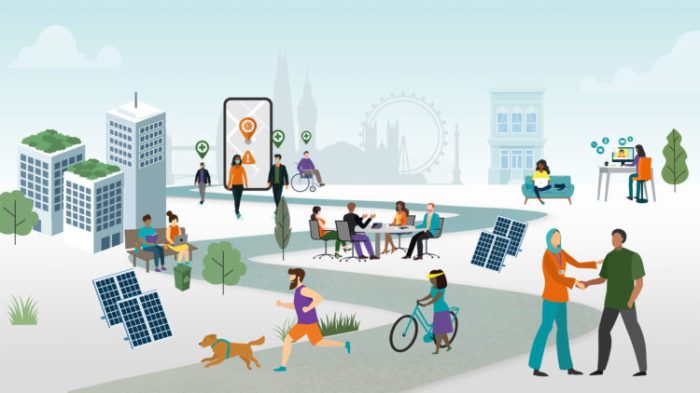
Exploring the impact of health tech on urban lifestyles unveils a transformative narrative. As technology continues to penetrate our daily routines, the intersection of health and urban living becomes increasingly vital. Let's delve into how the rise of health tech is reshaping the way we approach well-being in urban environments.
Health tech not only offers convenience but also addresses pressing health concerns specific to urban settings. From wearable devices to health monitoring apps, the integration of technology into our urban lifestyles is paving the way for a healthier future.
Importance of Health Tech in Urban Lifestyles
Health tech is playing a crucial role in revolutionizing urban living by providing innovative solutions to address various health concerns prevalent in urban settings. By incorporating health tech into daily routines, individuals can experience a range of benefits that contribute to overall well-being and quality of life.
Enhanced Monitoring and Management
Health tech enables individuals to monitor their health metrics in real-time, such as heart rate, sleep patterns, and physical activity levels. This data can help in early detection of potential health issues and allow for timely interventions, leading to better management of chronic conditions.
Promotion of Active Lifestyles
Through wearable devices and fitness apps, health tech encourages urban dwellers to adopt more active lifestyles by setting fitness goals, tracking progress, and providing motivation to stay physically active. This can help combat sedentary behaviors often associated with urban living.
Addressing Mental Health Challenges
Urban settings can contribute to higher stress levels and mental health issues. Health tech offers solutions such as mindfulness apps, stress management tools, and online therapy services to support mental well-being and reduce the negative impact of urban stressors.
Trends in Health Tech for Urban Dwellers
As urban populations continue to grow, the demand for innovative health tech solutions is on the rise. These trends are shaping the way urban dwellers approach healthcare and wellness.
Integration of Wearable Fitness Trackers
One of the latest trends in health tech for urban dwellers is the integration of wearable fitness trackers. These devices allow individuals to monitor their physical activity, heart rate, and sleep patterns in real-time, providing valuable insights into their overall health.
Telemedicine and Virtual Consultations
Telemedicine and virtual consultations have become increasingly popular among urban populations. These technologies enable individuals to consult with healthcare providers remotely, saving time and increasing access to medical services, especially in busy urban areas.
Personalized Health Apps
Personalized health apps are also gaining traction in urban lifestyles. These apps offer customized fitness plans, diet recommendations, and wellness tips based on individual preferences and health goals, empowering urban dwellers to take control of their well-being.
Challenges and Opportunities in Implementing Health Tech in Urban Areas
Implementing health tech in densely populated urban areas presents a unique set of challenges and opportunities. The fast-paced lifestyle, limited space, and diverse demographics in urban regions require innovative solutions to ensure the successful integration of health technology.
Challenges in Implementing Health Tech in Urban Areas
- Infrastructure Limitations: Urban areas may have outdated infrastructure that hinders the implementation of advanced health technologies.
- Digital Divide: Disparities in access to technology and digital literacy among urban residents can impede the adoption of health tech solutions.
- Data Privacy Concerns: Urban populations may have heightened concerns about the privacy and security of their health data when using tech-based healthcare services.
- Regulatory Hurdles: Navigating complex regulatory frameworks in urban areas can pose challenges for health tech companies looking to introduce new products or services.
Opportunities for Growth in Health Tech for Urban Demographics
- Personalized Healthcare Solutions: Health tech offers the opportunity to tailor healthcare services to the specific needs and preferences of urban residents, enhancing overall wellness.
- Telemedicine Expansion: The rise of telemedicine in urban areas allows for convenient access to healthcare services, especially for individuals with limited mobility or busy schedules.
- Health Monitoring Innovations: Advanced wearable devices and sensors enable continuous health monitoring, promoting preventive care and early intervention in urban populations.
Bridge the Gap in Healthcare Accessibility in Urban Regions
- Remote Consultations: Health tech facilitates virtual consultations with healthcare providers, bridging the gap in accessing medical expertise for urban residents living in remote or underserved areas.
- Mobile Health Apps: Mobile health applications provide urban dwellers with convenient tools for managing their health, promoting self-care and proactive health management.
- Community Engagement: Health tech platforms can foster community engagement and support networks, improving health outcomes and reducing healthcare disparities in urban regions.
Impact of Health Tech on Urban Well-being
Health tech has revolutionized the way urban residents approach their mental and physical well-being, leading to significant improvements in their quality of life.
Improved Access to Healthcare Services
Health tech has made it easier for urban dwellers to access healthcare services remotely through telemedicine platforms. This has been particularly beneficial for individuals living in busy cities with limited time to visit healthcare facilities.
Remote Monitoring and Management
Through wearable devices and health tracking apps, urban residents can now monitor their health metrics in real-time and proactively manage their well-being. This has led to early detection of health issues and timely interventions, ultimately improving overall health outcomes.
Personalized Health Solutions
Health tech has enabled the customization of healthcare services based on individual needs and preferences. Urban residents can now receive personalized diet plans, fitness routines, and medical advice tailored to their specific health goals, leading to more effective and sustainable lifestyle changes.
Enhanced Data Analysis and Predictive Analytics
By leveraging big data and analytics, health tech has enabled healthcare providers in urban areas to analyze trends, identify risk factors, and predict potential health issues among the population. This proactive approach has allowed for more targeted interventions and preventive measures to ensure better health outcomes for urban dwellers.
Ultimate Conclusion
In conclusion, the rise of health tech in urban lifestyles signifies a paradigm shift towards a more connected and proactive approach to well-being. By bridging the gap in healthcare accessibility and enhancing urban residents' quality of life, technology is revolutionizing the urban landscape.
Embracing these advancements can lead to a healthier and more vibrant urban community.
Q&A
How can health tech improve urban healthcare accessibility?
Health tech enables remote monitoring and telemedicine services, offering urban residents easier access to healthcare professionals without the need for physical visits.
What are some key benefits of incorporating health tech into daily urban routines?
Benefits include personalized health tracking, early detection of health issues, and improved management of chronic conditions, leading to overall better well-being.
Are there any privacy concerns associated with using health tech in urban areas?
Privacy concerns may arise due to data collection by health tech devices or apps, but strict privacy regulations and secure data practices can mitigate these risks.